
Drawing Of Prophase
Drawing Of Prophase - Web the prophase under a microscope shows the gradually becoming condensed chromatin, resulting in the formation of the individual chromosome. During interphase, the parent cell’s chromosomes are replicated, but they aren’t yet visible. Centrosomes start to form structures which help the cell through the rest of mitosis. During prophase i, chromosomes pair up and exchange genetic material, creating more variation. During prophase, the parent cell chromosomes — which were duplicated during s phase —. In this stage, the nuclear envelope breaks, letting the genetic material float free. These phases are prophase, prometaphase, metaphase, anaphase, and telophase. Prophase i is the first stage of meiosis i, followed by prophase ii, anaphase i, anaphase ii, metaphase i and metaphase ii. Kinetochore microtubules shorten, pulling sister chromatids to opposite poles, polar microtubules elongate, lengthening dividing cell. Web prophase is the first step of mitosis. In animal cells, the centrioles near the nucleus begin to separate and move to opposite poles of the cell. In meiosis i, cells go through four phases: During prophase i, differences from. Before entering meiosis i, a cell must first go through interphase. Web the prophase under a microscope shows the gradually becoming condensed chromatin, resulting in the formation of the individual chromosome. Microtubules align chromosomes along metaphase plate. Prophase i is the first stage of meiosis i, followed by prophase ii, anaphase i, anaphase ii, metaphase i and metaphase ii. Beginning after interphase, dna has already been replicated when the cell enters prophase. This is when the genetic fibers within the cell’s nucleus, known as chromatin, begin to condense and become tightly compacted together. During prophase, chromatin condenses into chromosomes, and the nuclear envelope (the membrane surrounding the nucleus) breaks down. In meiosis i, cells go through four phases: Mitosis, a key part of the cell cycle, involves a series of stages (prophase, metaphase, anaphase, and telophase) that facilitate cell division and genetic information transmission. Web prophase (versus interphase) is the first true step of the mitotic process. In animal cells, the centrioles near the nucleus begin to separate and move. Web prophase is the first step of mitosis. During prophase, several important changes occur: It is the phase of dna unwinding and chromatin condensation to make the chromosomes visible. Web prophase (versus interphase) is the first true step of the mitotic process. Chromatin fibers become coiled into chromosomes, with each chromosome having two chromatids joined at a centromere. Web prophase (versus interphase) is the first true step of the mitotic process. Web today, mitosis is understood to involve five phases, based on the physical state of the chromosomes and spindle. Nuclear membrane breaks down, chromatin condenses, mitotic spindle forms and attaches to kinetochores. Some textbooks list five, breaking prophase into an early phase (called prophase) and a late. Centrosomes start to form structures which help the cell through the rest of mitosis. In meiosis i, cells go through four phases: Mitosis, a key part of the cell cycle, involves a series of stages (prophase, metaphase, anaphase, and telophase) that facilitate cell division and genetic information transmission. You know this prophase is the first stage of mitosis cell division. In this stage, the nuclear envelope breaks, letting the genetic material float free. This organelle controls the microtubules in the cell, and each centriole is one half of the organelle. Prophase is the first step of mitosis. Centrosomes start to form structures which help the cell through the rest of mitosis. Prophase, metaphase, anaphase, and telophase. Prophase is followed by metaphase. Web prophase is the phase that follows the interphase and typically the first and longest phase in the cell cycle, for both mitosis and meiosis. During prophase, several important changes occur: In meiosis i, cells go through four phases: Centrosomes start to form structures which help the cell through the rest of mitosis. During prophase, chromatin condenses into chromosomes, and the nuclear envelope (the membrane surrounding the nucleus) breaks down. During prophase, several important changes occur: Prophase is the first step of mitosis. Prophase, metaphase, anaphase, and telophase. Prophase i, metaphase i, anaphase i, and telophase i. This organelle controls the microtubules in the cell, and each centriole is one half of the organelle. Web prophase is the phase that follows the interphase and typically the first and longest phase in the cell cycle, for both mitosis and meiosis. Kinetochore microtubules shorten, pulling sister chromatids to opposite poles, polar microtubules elongate, lengthening dividing cell. Some textbooks list. Mitosis begins at prophase with the thickening and coiling of the chromosomes. Web today, mitosis is understood to involve five phases, based on the physical state of the chromosomes and spindle. Web prophase is the first phase of mitosis, the process that separates the duplicated genetic material carried in the nucleus of a parent cell into two identical daughter cells.. Centrosomes and microtubules play pivotal roles in orchestrating this complex process, ensuring the successful replication of cells. Web prophase (versus interphase) is the first true step of the mitotic process. You know this prophase is the first stage of mitosis cell division which may quickly identify with the help of a light microscope. Kinetochore microtubules shorten, pulling sister chromatids to. Web today, mitosis is understood to involve five phases, based on the physical state of the chromosomes and spindle. In this stage, the nuclear envelope breaks, letting the genetic material float free. Web in the second step, prophase, the bivalent chromosomes condense into tight packages, the mitotic spindle forms, and the nuclear envelope dissolves. Prophase is the first step of mitosis. This is when the genetic fibers within the cell’s nucleus, known as chromatin, begin to condense and become tightly compacted together. Centrosomes start to form structures which help the cell through the rest of mitosis. Imagine the difference between a slinky fully stretched out, and a slinky that has been pressed back together. During interphase, the parent cell’s chromosomes are replicated, but they aren’t yet visible. The mitotic spindle, composed of microtubules and proteins, forms in the cytoplasm. These phases are prophase, prometaphase, metaphase, anaphase, and telophase. Web the prophase under a microscope shows the gradually becoming condensed chromatin, resulting in the formation of the individual chromosome. During prophase, the parent cell chromosomes — which were duplicated during s phase —. Mitosis, a key part of the cell cycle, involves a series of stages (prophase, metaphase, anaphase, and telophase) that facilitate cell division and genetic information transmission. Web prophase, the initial stage of mitosis and of the mitotic division of meiosis, characterized by the formation of the mitotic spindle and the condensation of the chromosomes. Web prophase (versus interphase) is the first true step of the mitotic process. During prophase, several important changes occur: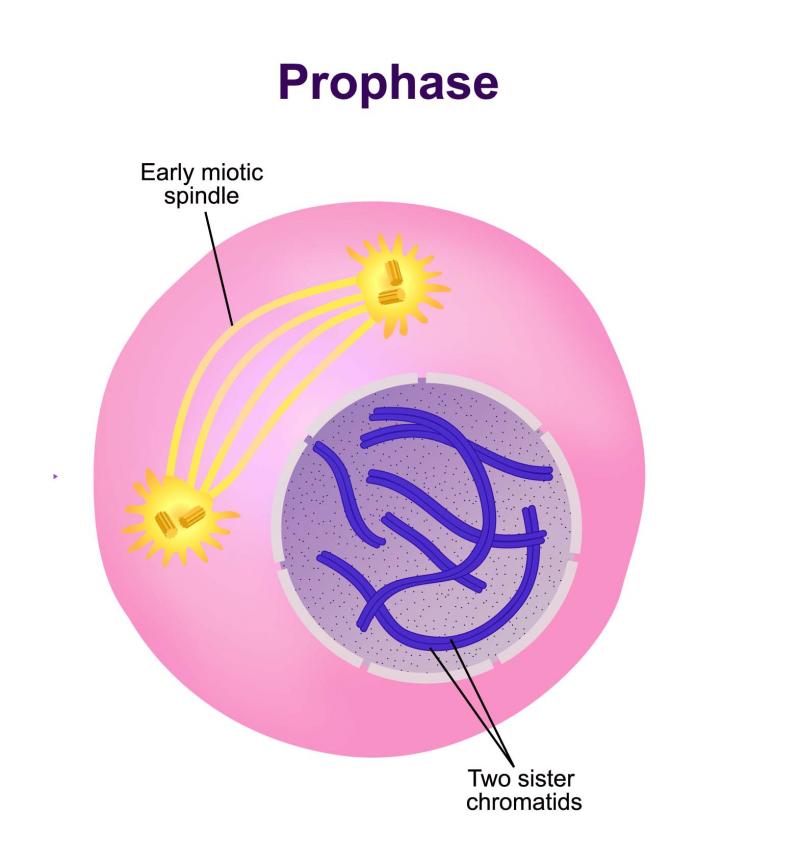
Prophase Diagram
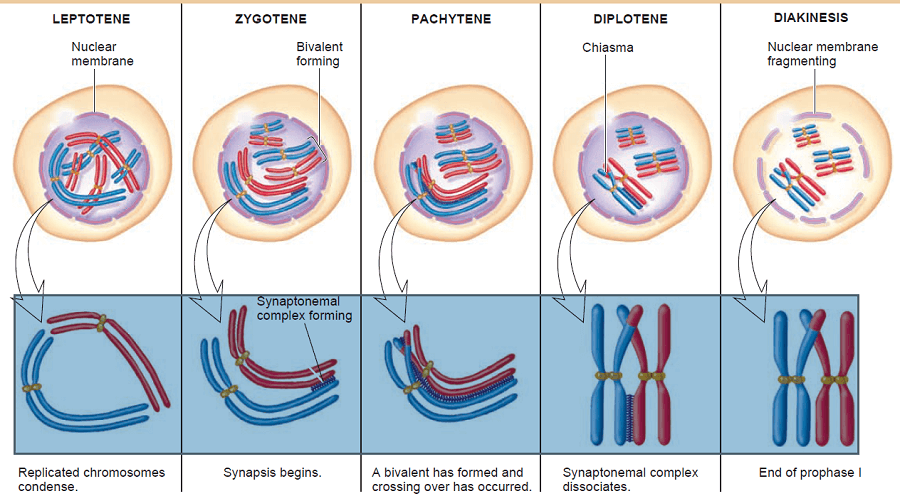
Prophase in mitosis and meiosis (Prophase 1 and 2)
Draw The Diagram Of All Five Sub Stages Of Prophase 1 Of
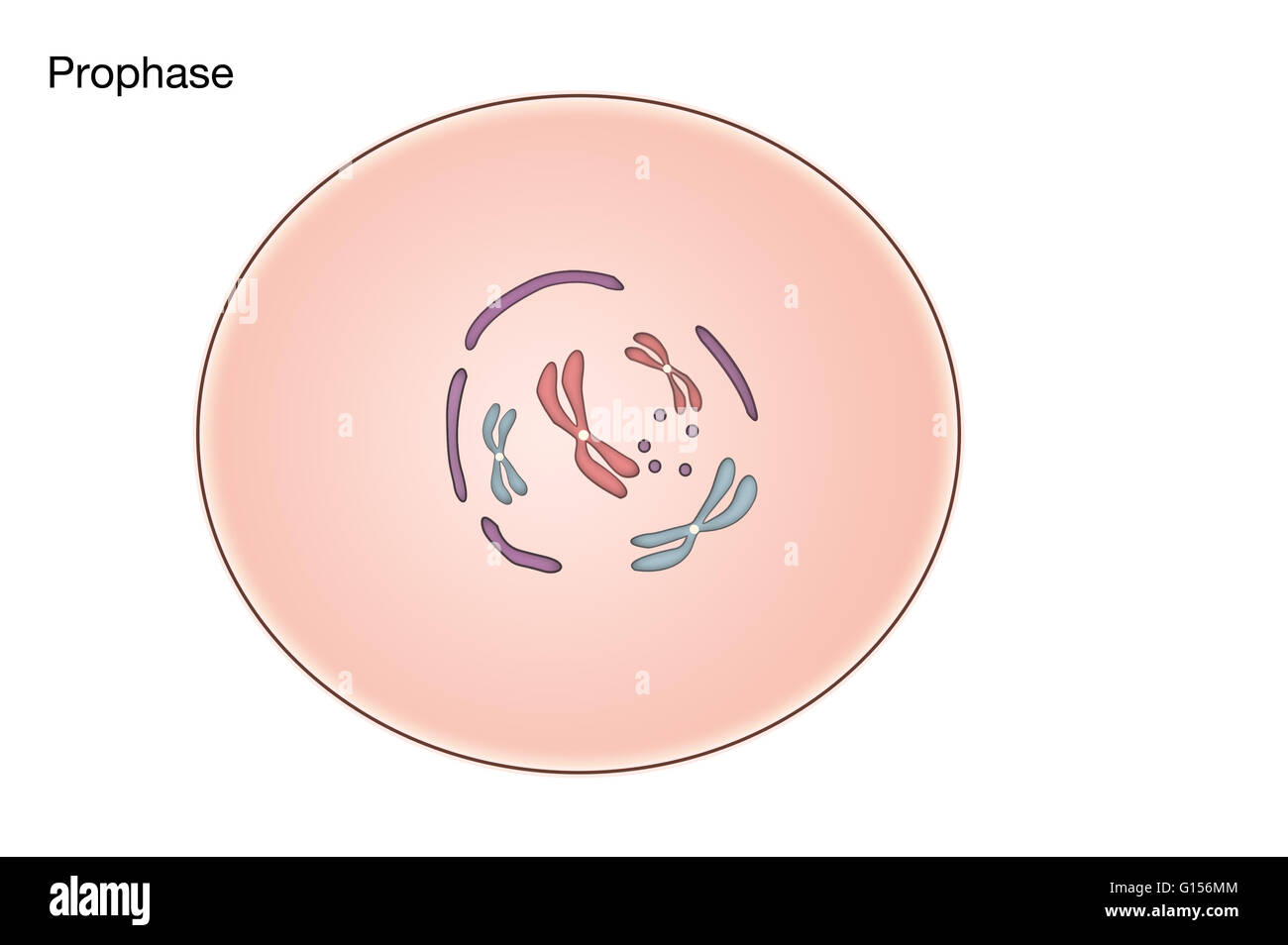
Prophase Diagrams
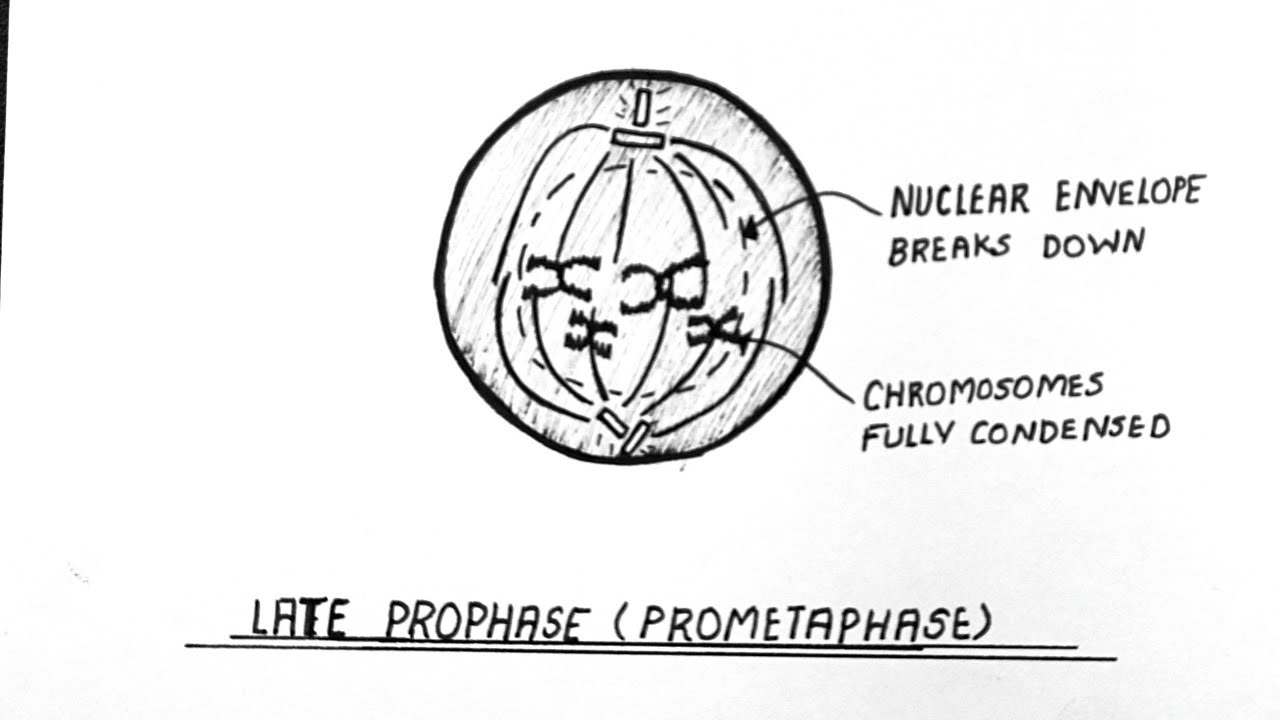
Prophase Diagram How To Draw Labelled Diagram Of Prophase Class
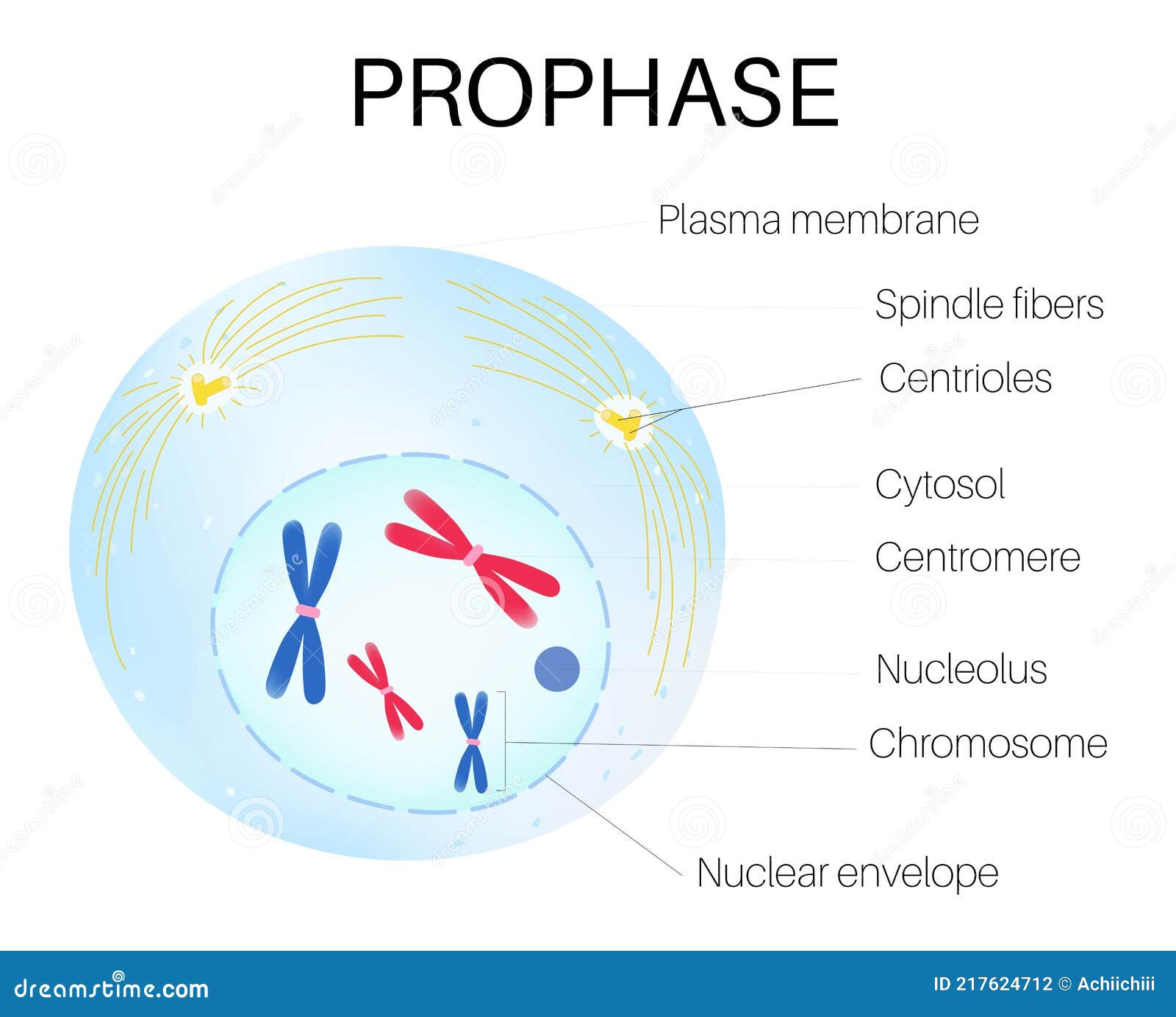
Prophase is the Phase of the Cell Cycle. Stock Vector Illustration of
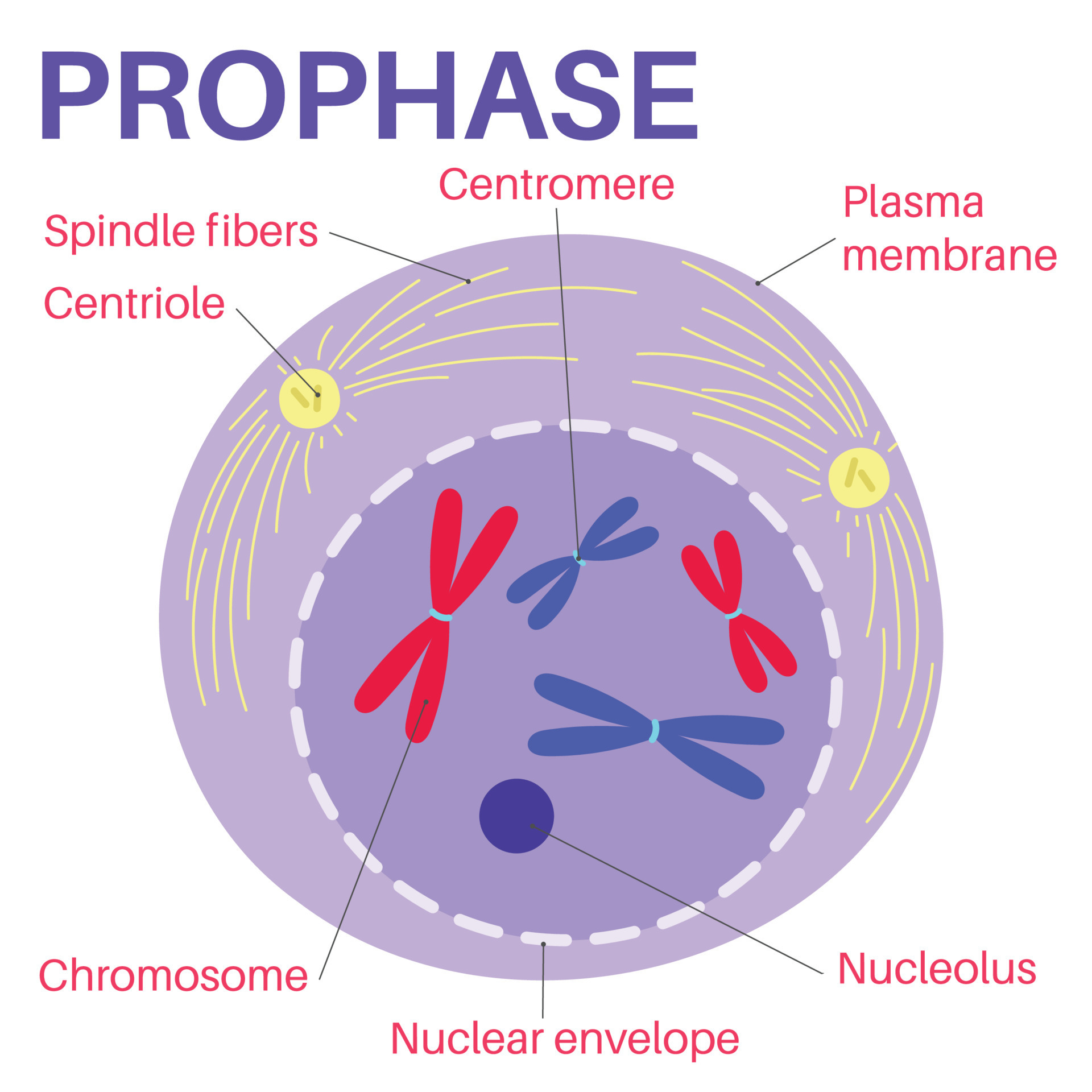
Prophase is the first stage of cell division. 14268877 Vector Art at

How to draw easily PROPHASE 1 OF MEIOSIS 1 / PROPHASE 1/ CELL DIVISION

Prophase Diagrams

Prophase Tutorial Sophia Learning
In Metaphase I, Chromosomes Line Up In The Middle Of The Cell.
During Prophase, Chromatin Condenses Into Chromosomes, And The Nuclear Envelope (The Membrane Surrounding The Nucleus) Breaks Down.
In Animal Cells, The Centrioles Near The Nucleus Begin To Separate And Move To Opposite Poles Of The Cell.
Chromatin Fibers Become Coiled Into Chromosomes, With Each Chromosome Having Two Chromatids Joined At A Centromere.
Related Post: