
Complementary Colors Drawing
Complementary Colors Drawing - The complementary color is the highest color contrast you can get. So the complementary of red is green (a mix of yellow and blue); The colours also draw the viewer’s eye towards the central figures in the scene. It ensures users notice critical details. Complementary colors are colors that are directly opposite from each other on the color wheel. The secondary colors, which are green, purple, and orange and are a combination of your primary. When you mix complementary colors together, for example, blue and orange, the result will be a gray color. Understanding this distinction can make using complementary colors a little easier, especially when mixing your own. Split complementary colors are a variation of the standard complementary color scheme. It’s a strategic use of complementary colors that captivates the viewer’s attention and highlights the focal. The complementary of blue is orange (a mix of red and yellow); Web painting tips for complementary colors * as mentioned earlier, reduce the intensity of any color that's too bright by adding a speck of it's complementary. When mixing colors, washor recommends using a palette knife to add colors in very small amounts. In any basic complementary pairing, you have a dominant primary color and a subordinate secondary color composed of the other two primary colors. Web the reason complementary color schemes can be used to great advantage in a drawing is because all three primary colors are present in complementary combinations. Web what are complementary colors? Web if complementary color combinations are too vivid for the look you’re going for, you can use the color wheel to create a split complementary color scheme. Artists use them together to create a high level of contrast. Complementary colors—the hues directly opposite each other on the color wheel— are eye candy. If we draw a straight line through from blue to orange, the line. Web painting tips for complementary colors * as mentioned earlier, reduce the intensity of any color that's too bright by adding a speck of it's complementary. The main seven color harmonies are: So the complementary of red is green (a mix of yellow and blue); It’s important that we actively use the art of selecting colors when we aim to. Web learn techniques for creating vibrant and harmonious color schemes using complementary color pairs. Web imagine stepping into a gallery and being struck by vincent van gogh’s starry night.the vibrant blue swirls starkly contrast with the fiery yellow stars, drawing your eye into a dance of harmony and contrast. Using complementary colors can make the information stand out. Have the. One primary hue and two hues adjacent to that primary color’s complement.;. The complementary of blue is orange (a mix of red and yellow); Web complementary colors are great for shading. Take an example of the ixdf website layout. Start painting with complementary colors! Web learn the definition of complementary colors, examples, and uses in design, fashion, decor, art, and color theory, by an artist and teacher. * the most beautiful and interesting neutrals are created by mixing two. The secondary colors, which are green, purple, and orange and are a combination of your primary. This can include alerts, notifications, or ctas. It ensures. So the complementary of red is green (a mix of yellow and blue); Web painting tips for complementary colors * as mentioned earlier, reduce the intensity of any color that's too bright by adding a speck of it's complementary. Web use complementary colors to draw attention to essential elements. Web imagine stepping into a gallery and being struck by vincent. The main seven color harmonies are: Complementary colors are colors that are directly opposite from each other on the color wheel. Artists use them together to create a high level of contrast. We start with blue on the color wheel. The orange cta with the primary color blue is an excellent example of. It’s a strategic use of complementary colors that captivates the viewer’s attention and highlights the focal. The eye delights in these color combinations and dances back forth with gleeful abandon along the edges where complementary colors meet. An introduction to complementary color theory color examples and color combinations. Web the colour complement of each primary colour (primaries are red, yellow. There are two accent colors, black and neon green, that draw attention to important information like dates and calls to action. It is similar to the complementary color scheme, but one of the complements is split. We start with blue on the color wheel. Artists use them together to create a high level of contrast. Complementary colors that sit on. Web if complementary color combinations are too vivid for the look you’re going for, you can use the color wheel to create a split complementary color scheme. If we draw a straight line through from blue to orange, the line. Free online art lessons at artvilla theory, supplies, construction skills drawing lessons how to paint paintings pottery and ceramics sculpture. Web what are complementary colors? It is similar to the complementary color scheme, but one of the complements is split. Understanding this distinction can make using complementary colors a little easier, especially when mixing your own. Web the reason complementary color schemes can be used to great advantage in a drawing is because all three primary colors are present in. Complementary colors—the hues directly opposite each other on the color wheel— are eye candy. Made by mixing one primary color together with one secondary color). Start painting with complementary colors! * on the other hand, if you want to make a focus color stand out, place a tiny accent of its complement next to or near it. Web what are the complementary colors? There are two accent colors, black and neon green, that draw attention to important information like dates and calls to action. * the most beautiful and interesting neutrals are created by mixing two. Web learn the definition of complementary colors, examples, and uses in design, fashion, decor, art, and color theory, by an artist and teacher. Web in order to better understand the complementary colors we created a drawing to paint with different shades of complementary colors. Web complementary colours are pairs of colors that are on opposite sides of the colour wheel. It’s important that we actively use the art of selecting colors when we aim to craft a visually appealing user experience (ux) that works efficiently. It’s a strategic use of complementary colors that captivates the viewer’s attention and highlights the focal. One complementary color and one accent color. Web imagine stepping into a gallery and being struck by vincent van gogh’s starry night.the vibrant blue swirls starkly contrast with the fiery yellow stars, drawing your eye into a dance of harmony and contrast. Web create visual impact and color harmony with a palette of complementary colors. Complementary colors that sit on opposite ends of the color wheel—orange and blue, red and green, and yellow and.
Complementary Color Drawing at GetDrawings Free download
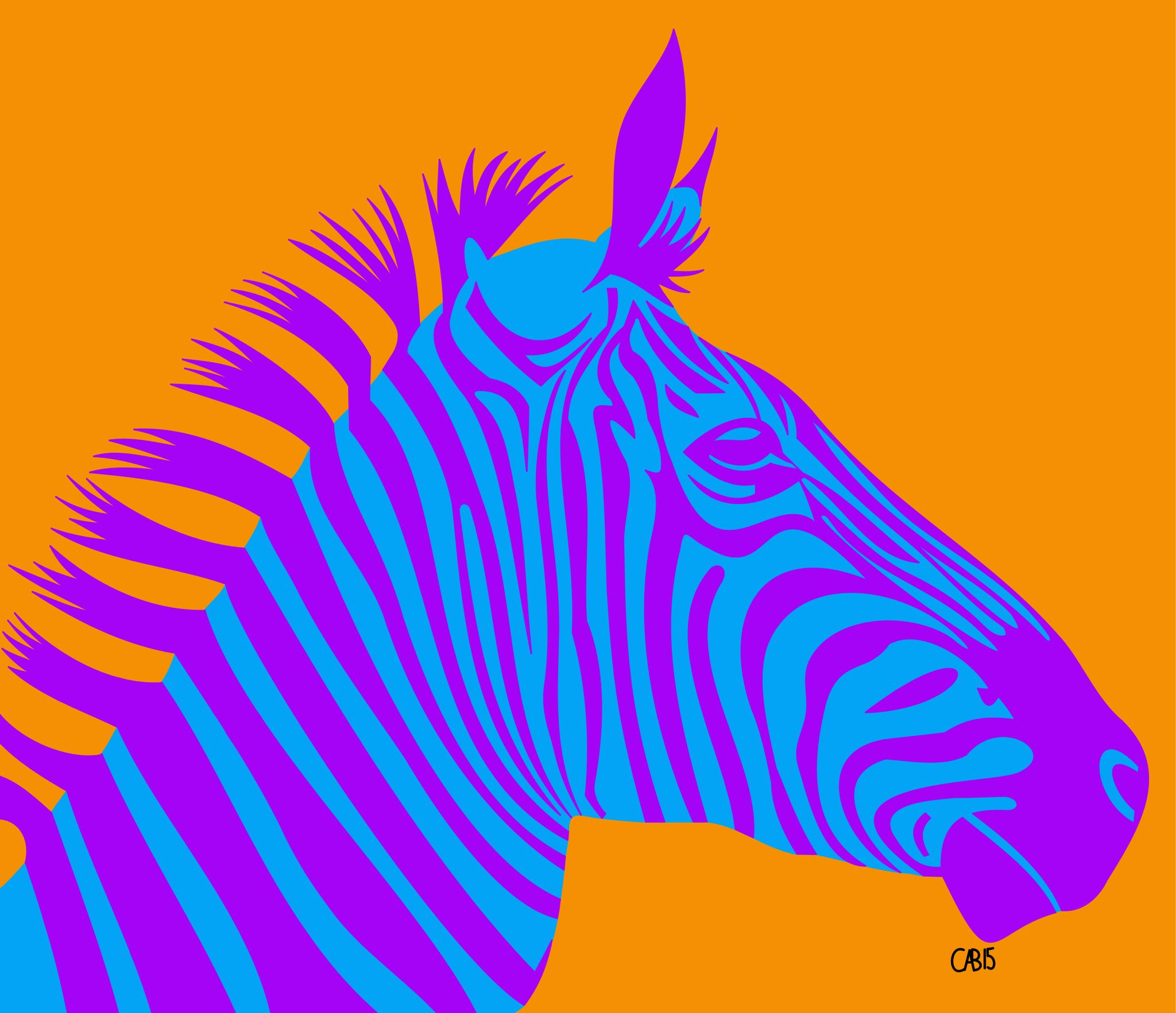
Complementary Color Drawing at GetDrawings Free download
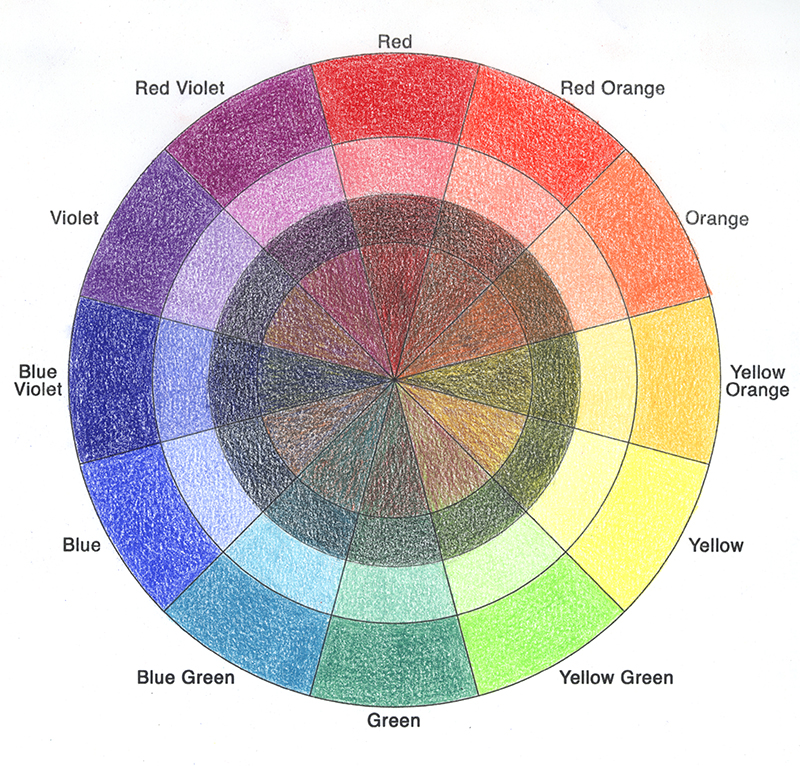
Complementary Colors Drawing at Explore collection
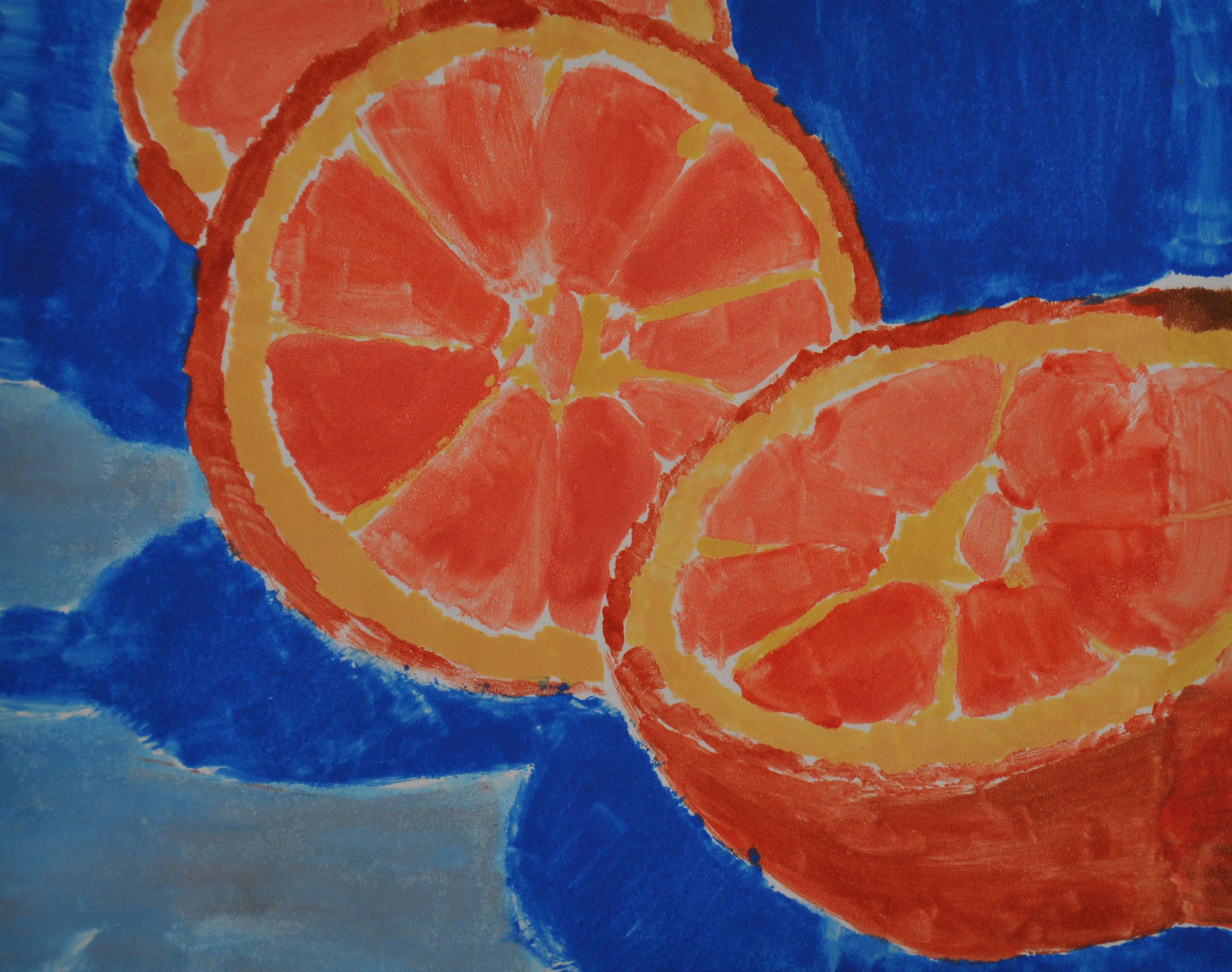
Complementary Color Drawing at GetDrawings Free download

How to Draw 2D Design Complementary colour scheme YouTube

Complementary Color Drawing at GetDrawings Free download
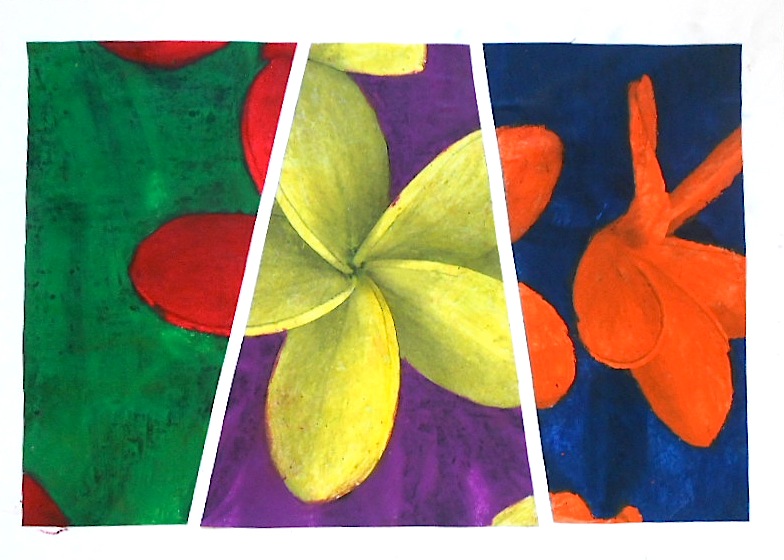
Complementary Colors Drawing at Explore collection
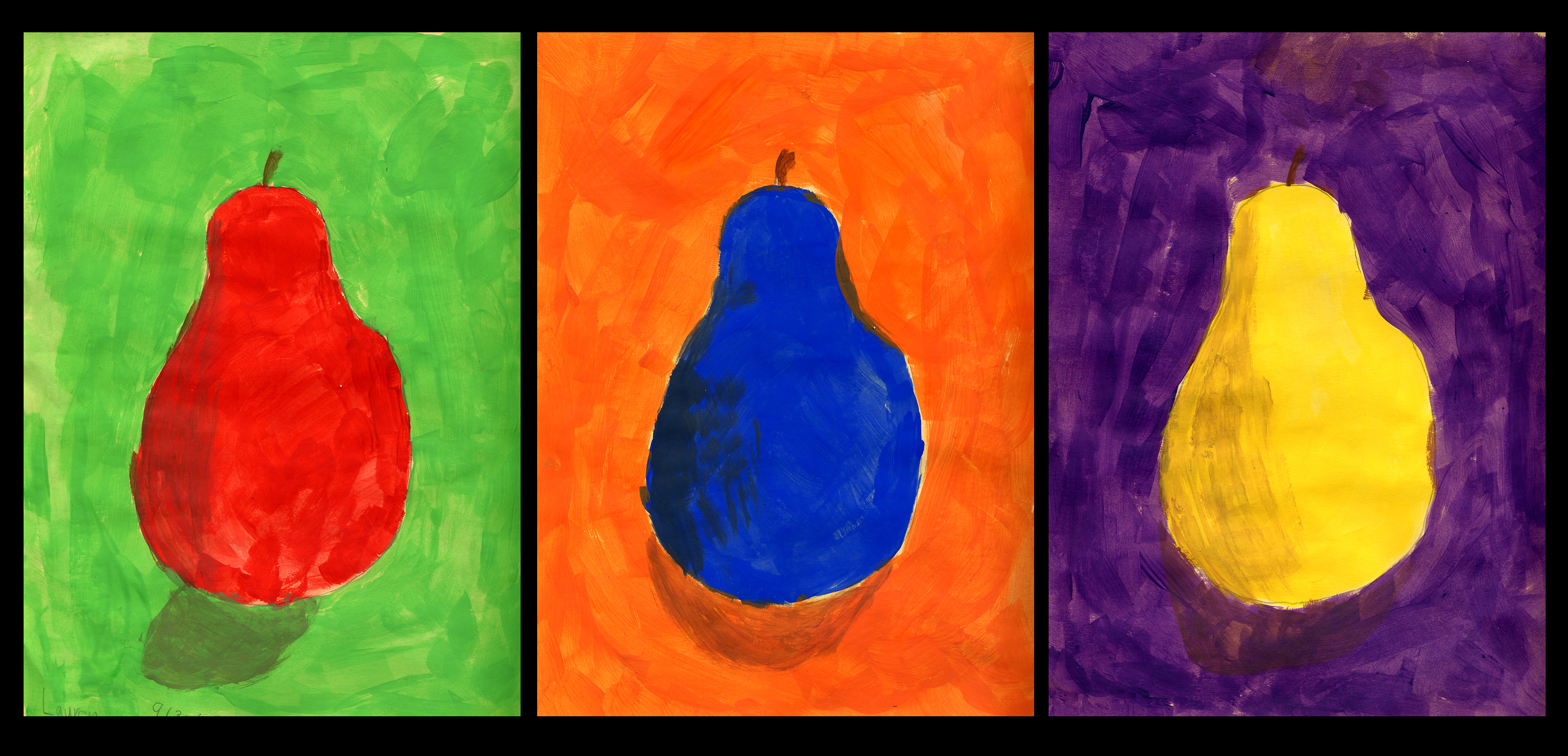
Complementary Color Drawing at GetDrawings Free download
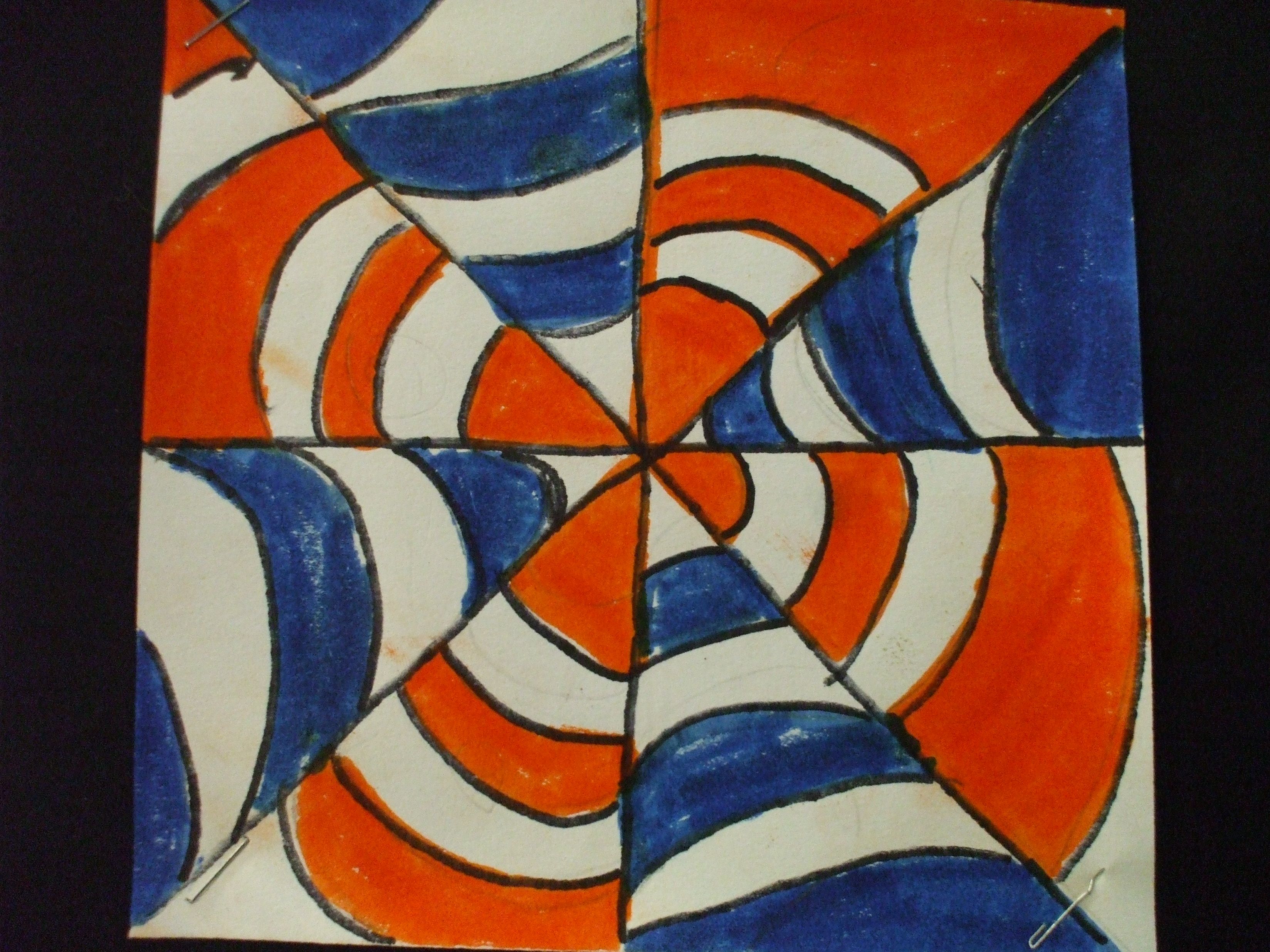
Complementary Colors Drawing at Explore collection
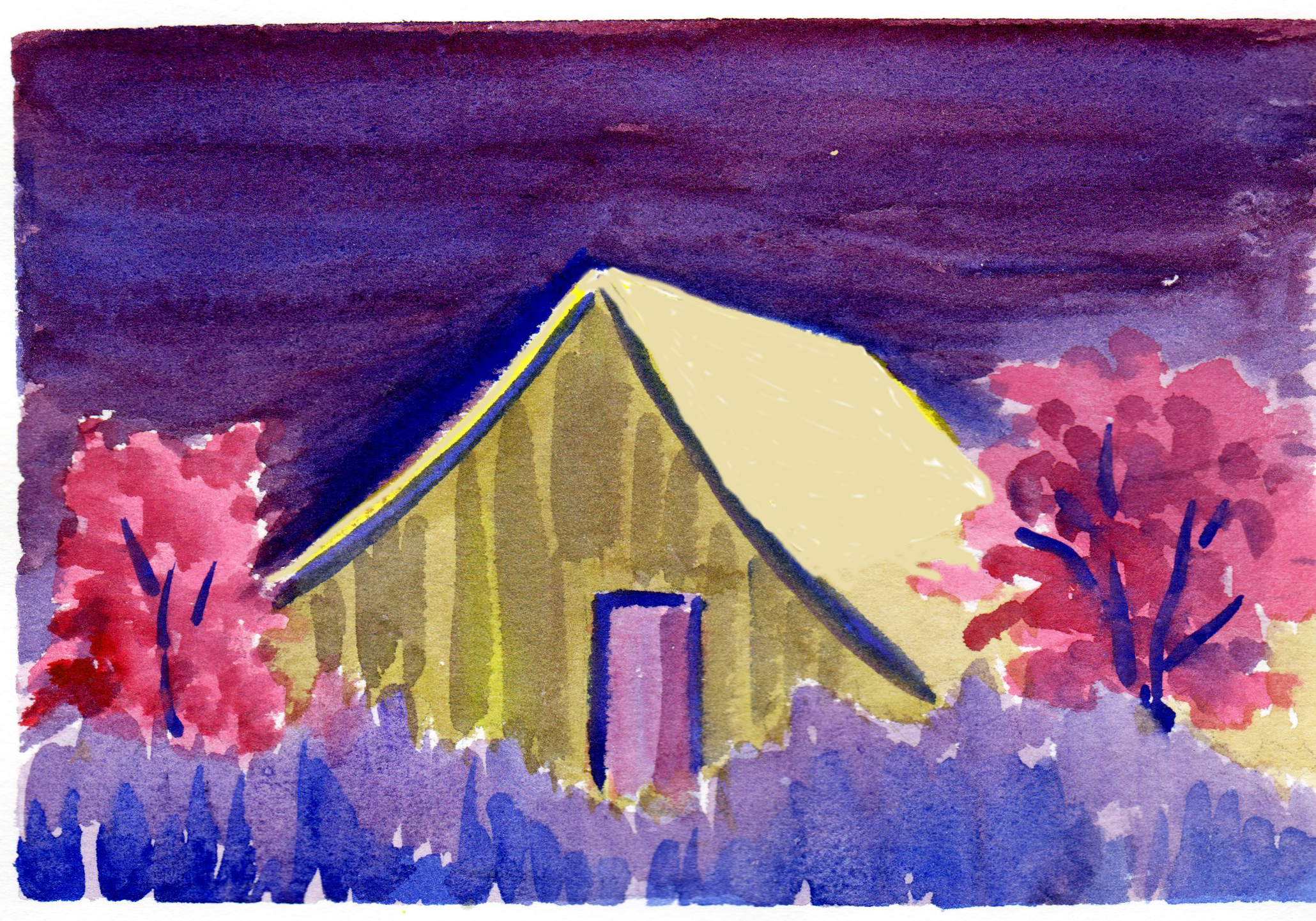
Complementary Colors Drawing at Explore collection
A Split Complementary Color Scheme Softens The Contrast Of Complementary Colors, But Maintains The Lively Interplay Of Hues.
Review The Color Wheel With The Class.
For Example We Consider The Couple.
Web This Guide Will Teach You How To Use The Magic Of Complementary Colors When You Design.
Related Post: